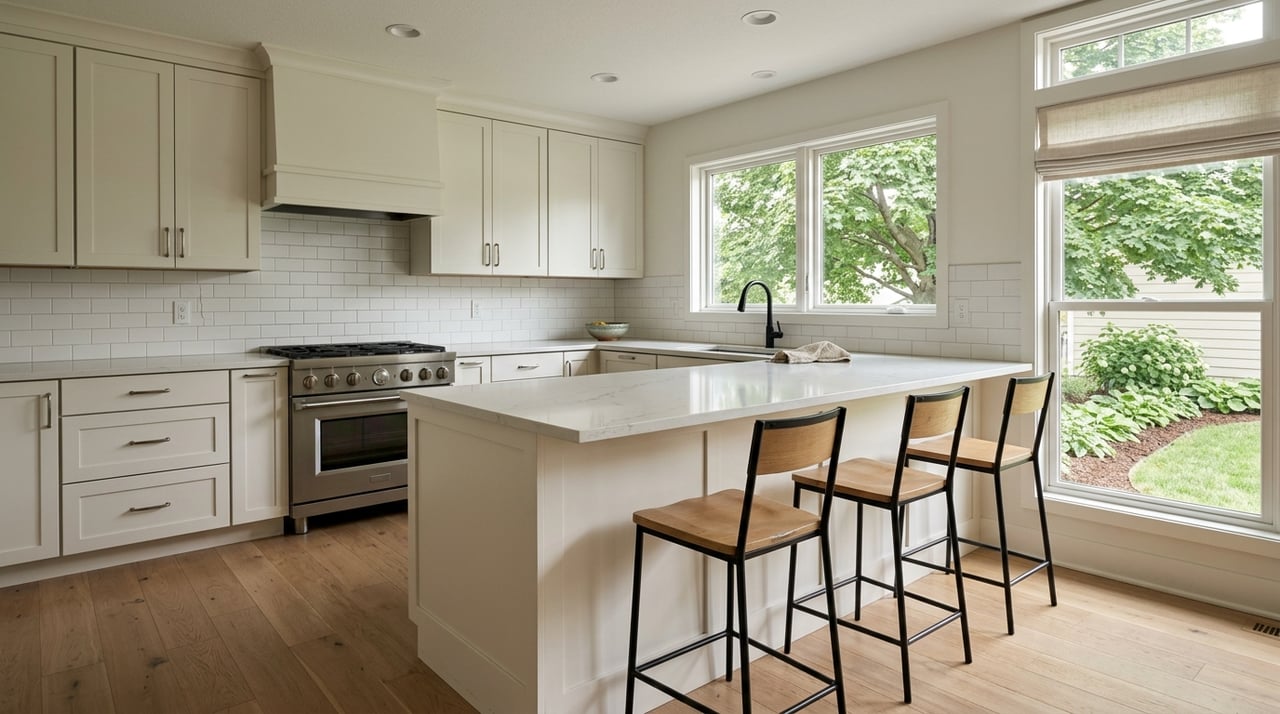
Living in Huntertown Indiana: What Daily Life Is Like
July 23, 2026
July 23, 2026
Thinking about moving to Huntertown, Indiana? If you want more space, a quieter suburban feel, and practical access to Fort Wayne, Huntertown is a place worth a closer look. It has grown quickly in recent years, but it still holds onto a small-town identity in key parts of the community. In this guide, you’ll get a clear picture of what daily life in Huntertown can feel like, from housing and commuting to parks and community life. Let’s dive in.
Huntertown is in northern Allen County along State Road 3, also known as Lima Road. It is often described in local planning documents as offering a suburban lifestyle, with much of its recent growth happening in residential areas beyond the original town center.
That mix gives Huntertown an interesting feel. You get a town that is growing fast, but still has a recognizable historic center along Lima Road between SR 3 and Shoaf Road. Local vision planning has focused on preserving and revitalizing that original core while the rest of the town continues to expand.
As of July 1, 2025, Huntertown’s estimated population was 11,600. That is up from 9,141 in the 2020 Census and 4,810 in 2010, which shows just how much the community has changed in a relatively short time.
For many buyers, Huntertown offers a middle ground between a small town and an outer suburb. You may find the pace a little calmer than busier parts of the Fort Wayne area, while still having a manageable connection to work, shopping, and daily errands.
The town’s own planning documents note that many newer residents have been drawn by a quieter lifestyle. At the same time, the community is still evolving, which means you may notice a stronger focus on residential neighborhoods and major road corridors than on a dense downtown-style center.
In practical terms, that often means your day revolves around home, school routines, parks, and driving routes. If that sounds like the lifestyle you want, Huntertown may feel like a comfortable fit.
Huntertown’s housing profile points to a strongly owner-occupied community. Census data show an owner-occupied housing rate of 91.8%, which supports the idea that many people here are putting down long-term roots.
The median owner-occupied home value is $298,200. Median monthly owner costs with a mortgage are $1,601, while median gross rent is $1,550.
The typical household size is 3.01 people, which lines up with Huntertown’s family-heavy suburban character. The age mix also supports that pattern, with 33.1% of residents under 18 and 13.0% age 65 or older.
Because growth has been primarily residential and concentrated outside the original town center, many parts of Huntertown are likely to feel neighborhood-driven rather than centered around a single commercial district. If you are looking for a place where residential streets and newer subdivisions play a big role in daily life, that is a defining part of Huntertown’s appeal.
Getting around Huntertown is largely shaped by State Road 3 and Carroll Road. For most residents, everyday travel is still car-first, which is common in growing suburban communities.
The mean commute to work is 21.2 minutes, which can make Huntertown appealing if you want some separation from busier areas without feeling too far removed. That balance is one reason the town often stands out for buyers who want more room but still need reasonable access to Fort Wayne.
There is also work being done to improve how people move through the area outside of a car. Local planning has identified a disconnect between newer neighborhoods east of SR 3 and the historic town center west of it, with recommended improvements such as shared-use trails, trail nodes, and pedestrian bridges.
A trails grant for the Carroll Road segment of the Fishing Line Trail in the Huntertown area is expected to help fill a gap and improve connections to the Pufferbelly Trail, schools, and nearby commercial areas. Over time, that could make parts of daily life more connected for walkers and cyclists.
One of the most visible community anchors in Huntertown is Huntertown Family Park. This 27-acre nonprofit park includes a dog park, amphitheater, playgrounds, trails, and a DNR-designated wetland.
For many residents, spaces like this shape what a town feels like day to day. It is not just a place to stretch your legs. It also serves as a community gathering point through events like a market, free concerts, cleanup days, and Heritage Days activities.
That kind of calendar can make a growing suburb feel more connected. It gives you regular chances to get out, see familiar faces, and enjoy a sense of community without needing a large downtown entertainment district.
Huntertown is served by Northwest Allen County Schools. If schools are part of your home search, one important detail is that the district has said attendance lines are changing for the 2026/27 school year, so it is important to verify school assignment by address.
From a civic standpoint, the town has an active local presence. Town resources include police, water, wastewater, street, and utility services, and Town Council meetings are held twice a month at Town Hall on Lima Road.
The official community page also points residents toward key local organizations and services, including Huntertown Family Park, trash and recycling resources, the Rotary Club, and the Chamber of Commerce. Altogether, that suggests a town with a compact but engaged civic structure.
Huntertown can be a strong fit if you want a suburban environment with a quieter pace and a high rate of homeownership. It may especially appeal to buyers looking for more living space, neighborhood-focused living, and a setting that feels a little removed from a busier city center.
It can also make sense if you value a growing community that is still shaping its identity. Some buyers love being in a place that is adding connections, improving infrastructure, and balancing new development with preservation of its original center.
If your ideal lifestyle depends on a dense walkable downtown with most errands done on foot, Huntertown may feel different from what you expect. But if you are looking for a residential community with room to grow and practical access to Fort Wayne, it has a lot going for it.
| Topic | Huntertown Snapshot |
|---|---|
| Population estimate | 11,600 |
| Growth since 2020 | 26.9% |
| Residents under 18 | 33.1% |
| Median household income | $109,432 |
| Owner-occupied housing rate | 91.8% |
| Median owner-occupied home value | $298,200 |
| Mean commute time | 21.2 minutes |
Huntertown offers a blend of growth, space, and everyday practicality that many Northeast Indiana buyers are looking for. Its strong homeownership rate, residential feel, community park, and manageable commute profile all point to a town built around day-to-day livability.
At the same time, it is still changing. The original town center remains important, newer neighborhoods continue to shape the local experience, and future trail and connectivity improvements may make the community feel even more linked together.
If you are weighing whether Huntertown fits your goals, the best next step is to look closely at neighborhoods, driving patterns, home styles, and the kind of routine you want. If you’d like help exploring homes in Huntertown or comparing it with other Fort Wayne-area communities, reach out to Scott Yoder for practical, local guidance.
Stay up to date on the latest real estate trends.
We pride ourselves in providing personalized solutions that bring our clients closer to their dream properties and enhance their long-term wealth.
GET IN TOUCH WITH OUR TEAM TO LEARN MORE
FIRST RESPONSE REALTY
11625 COLDWATER RD FORT WAYNE, IN 46845